Rice Development Trust has launched a digital marketplace and intensified efforts to connect farmers directly with buyers as part of a broader push to address marketing challenges that dog the sector.
The trust on Tuesday unveiled the rice market digital platform during a stakeholders’ meeting in Lilongwe that brough together farmers, buyers, researchers, development partners and government agencies to discuss ways of strengthening the rice value chain.
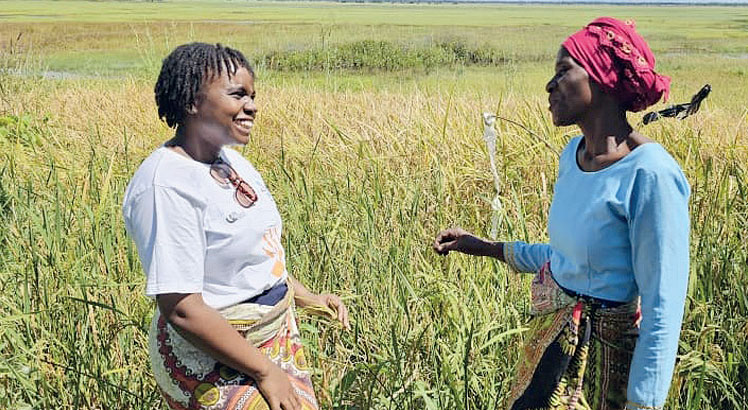
The platform was launched during a three-part event that included a matchmaking forum sponsored by Japan International Cooperation Agency (Jica) and a stakeholder consultative meeting supported by the Agricultural Commercialisation Initiative Consortium.
The trust’s chairperson Kingsley Masamba said the initiative seeks to tackle one of the biggest constraints facing rice producers: access to reliable markets.
“We want to connect our farmers to the buyers. We know one of the biggest problems facing the rice value chain is marketing,” he said.
The platform, developed under the Smart Climate Project, allows cooperatives to showcase their products online and enables buyers ranging from individual consumers to large off-takers to engage directly with producers.
Masamba said the platform will allow buyers and sellers to interact directly regardless of their location, improving access to market information and commercial opportunities.
“This platform is important because the information is available, so regardless of where the farmers are, people can access the information and then connect with the farmers from different places in Malawi,” he said.
The launch comes as Malawi seeks to unlock greater value from a rice industry that remains constrained by weak market linkages.
More than 90 percent of the country’s rice is produced by smallholder farmers, many of whom lack access to structured markets and often sell at prices below prevailing market rates.
Despite growing regional demand, Malawi contributes less than two percent of rice traded within the region. Industry players also note that more than 70 percent of rice is sold raw or semi-processed, limiting opportunities to earn additional income from value-added products and by-products such as bran, husks and straw.
International Committee for the Development of People programme manager Andrea Pacelli said seven rice cooperatives from Karonga and Nkhotakota districts had already been registered on the platform, which can be accessed through smartphones and computers.
“The platform has been developed to enable cooperatives to be reached by a wide range of people and organisations,” he said.
Pacelli said the system was designed to support direct negotiations between producers and buyers, reducing market barriers that often limit commercialisation among smallholder farmers.
The launch also comes amid growing demand for rice both locally and within the region.
Jica chief adviser to the project Akihiko Hata said consumption of rice was increasing in both urban and rural areas due to changing dietary preferences and population growth.
“People in urban areas are eating more rice than before,” he said.
Hata said Malawi currently exports about 4 000 metric tonnes (MT) of rice against production at 150 000MT, suggesting significant room for expansion if competitiveness and market access improve.
Stakeholders said improving market linkages was critical if farmers were to benefit from growing demand.
Steve Zimba, a farmer from Bwanje Irrigation Scheme, said producers needed dependable markets and predictable incomes to justify investments in production.
“We need reliable markets to earn a decent living from our produce,” he said.
Zimba welcomed the digital platform, saying farmers at Bwanje would seek registration to improve access to buyers.
“We need to be sure when we can make money,” he said.